info@monnomch.edu.bd   | 01755559191, 01755559193 Beta Version

A Case Presentation on Supraventricular Tachycardia (SVT)

A Case Presentation on Supraventricular Tachycardia (SVT)

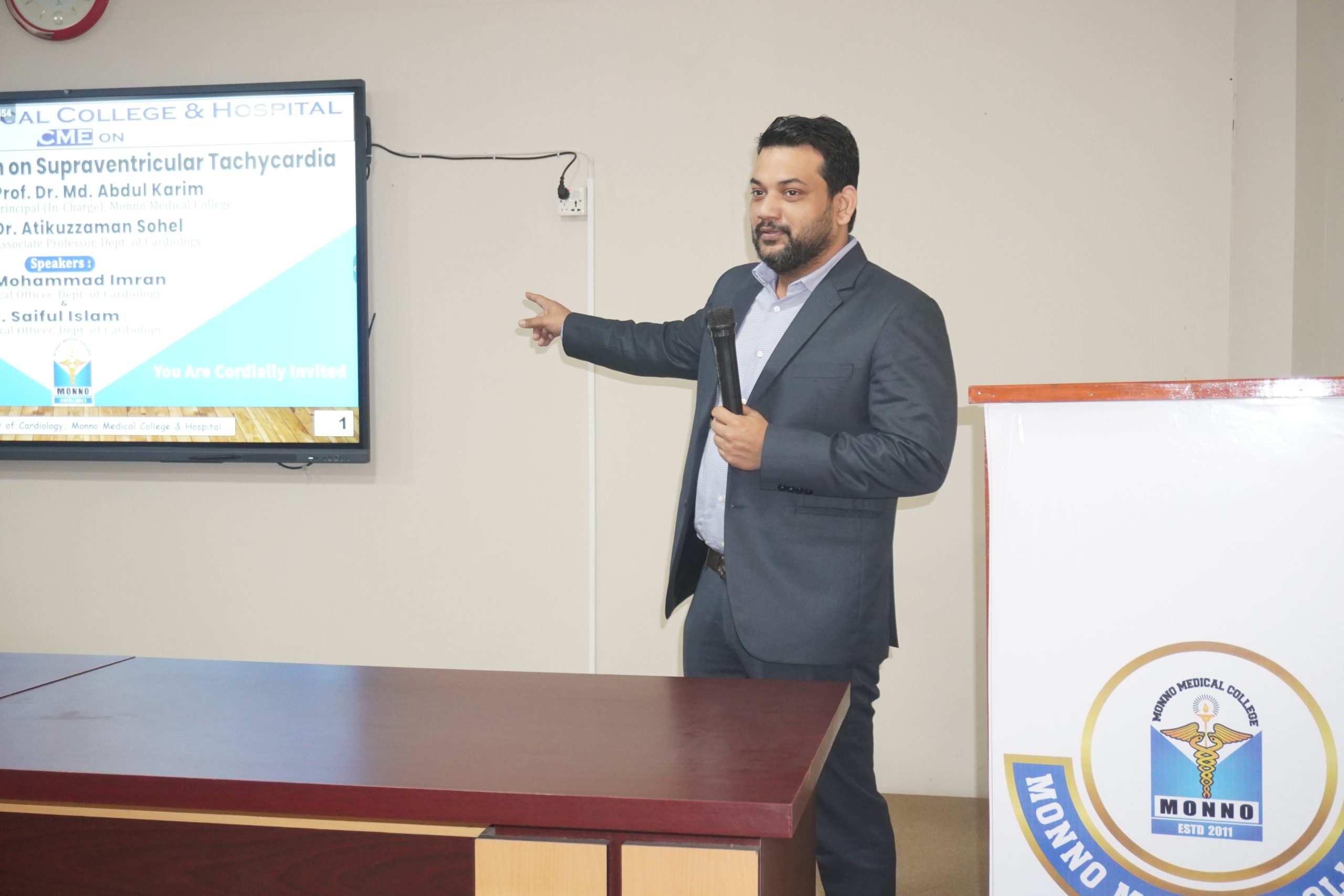
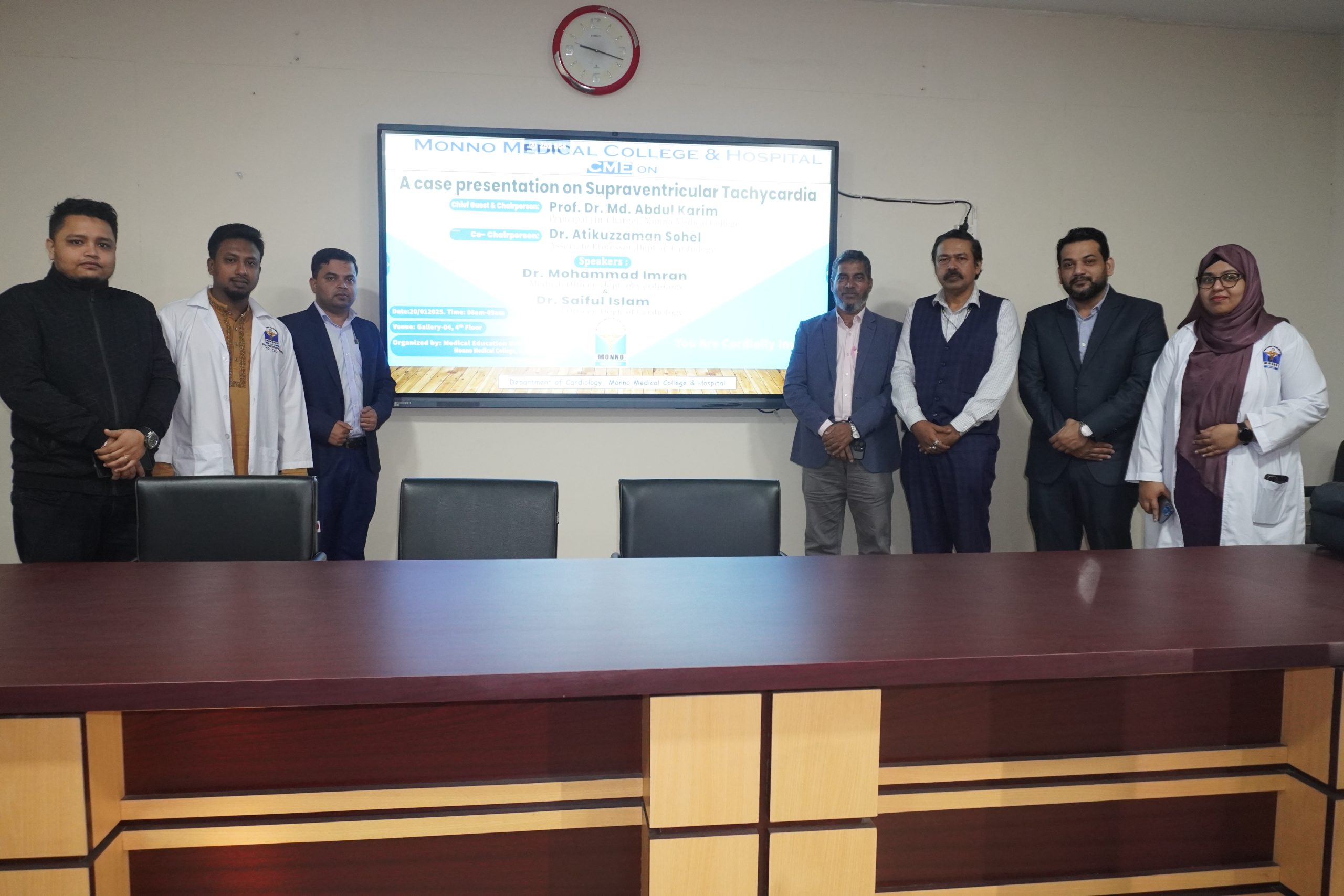
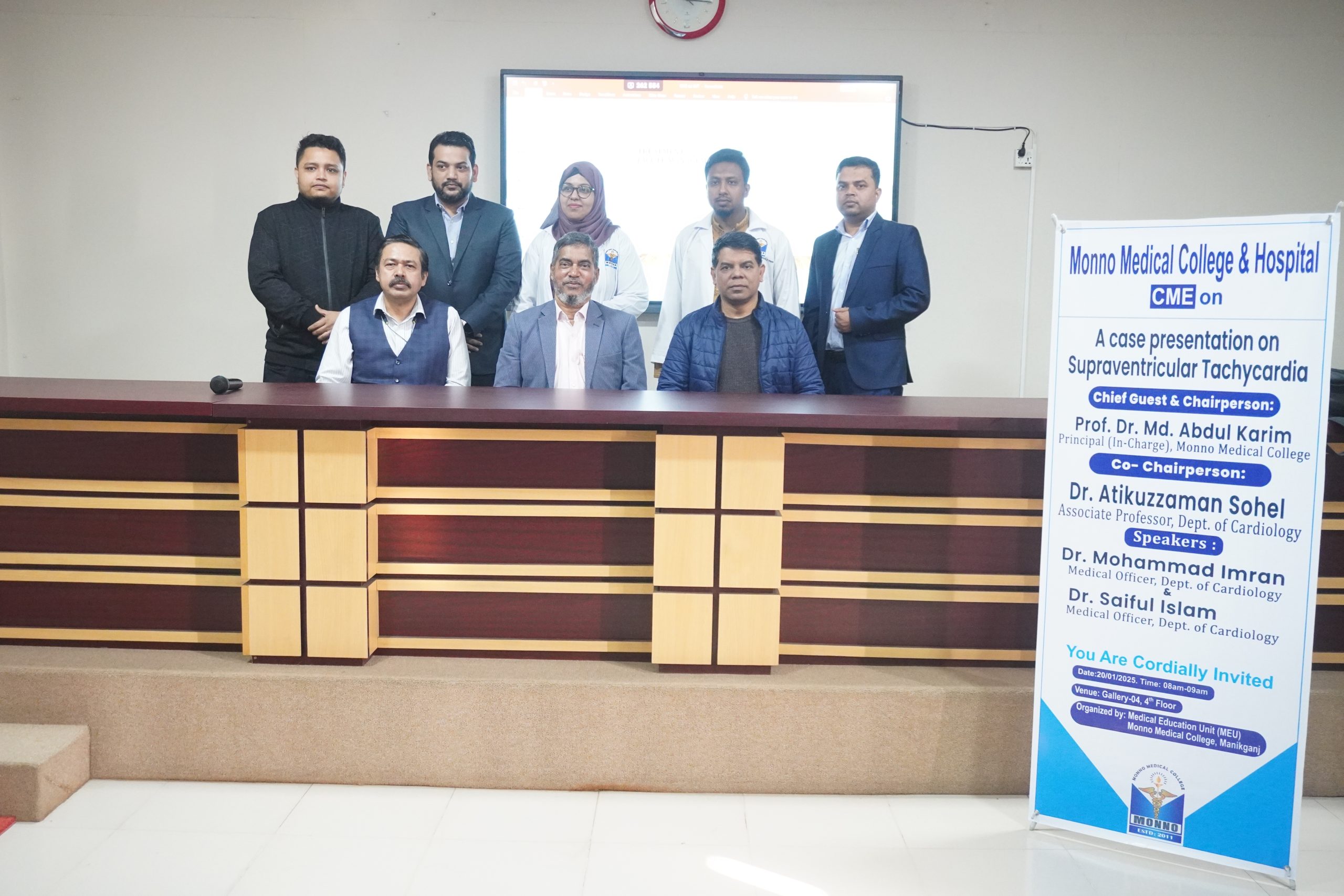
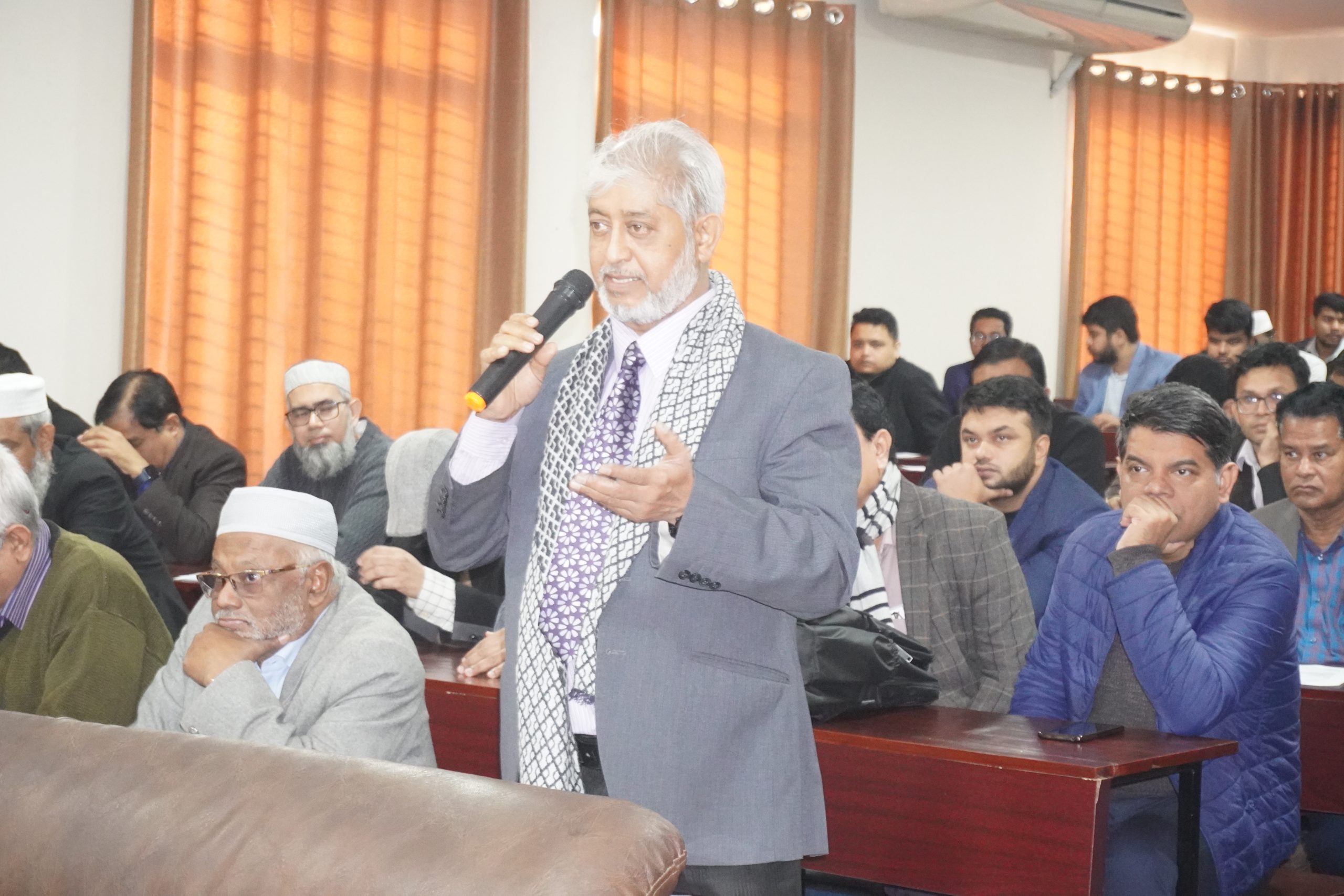
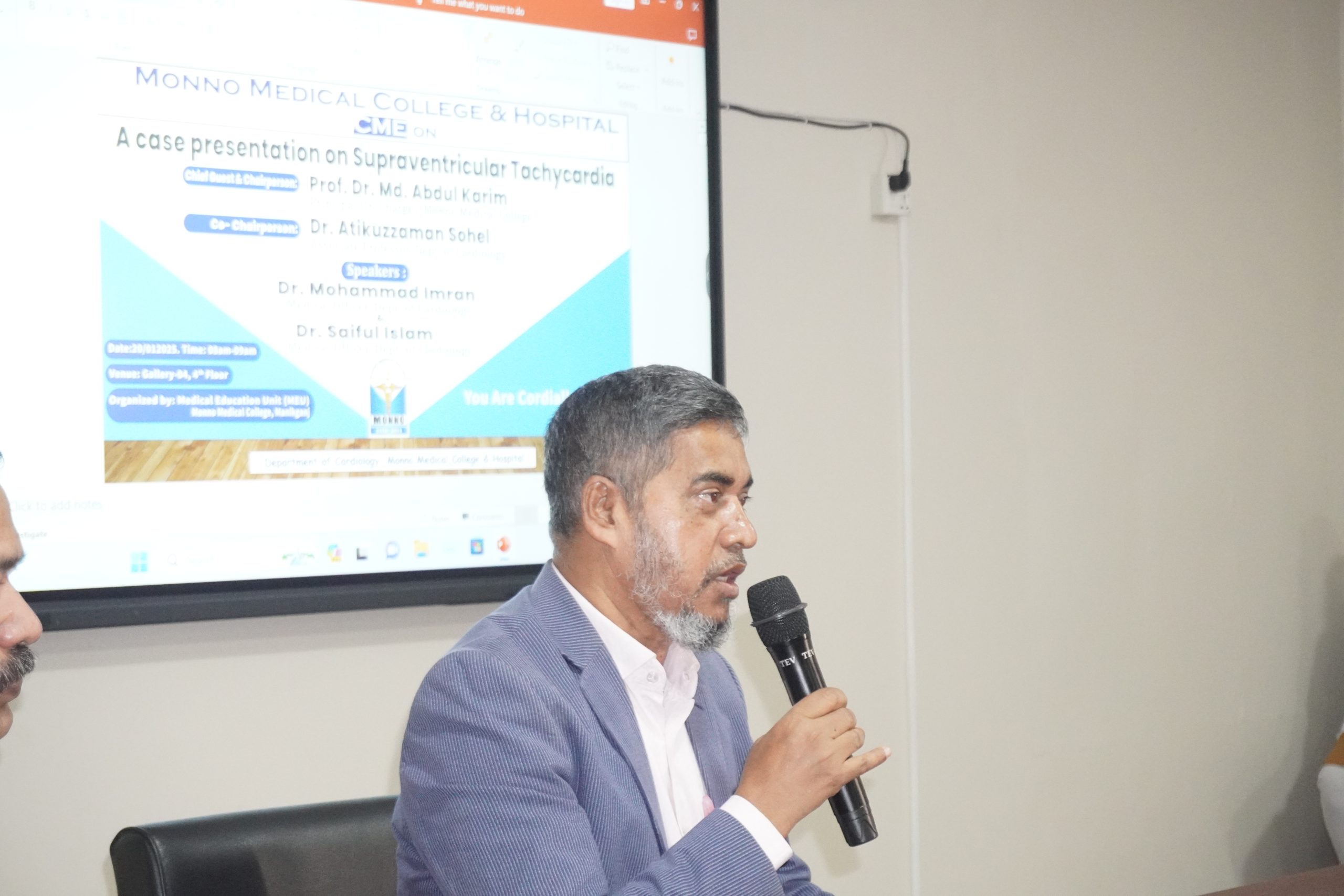
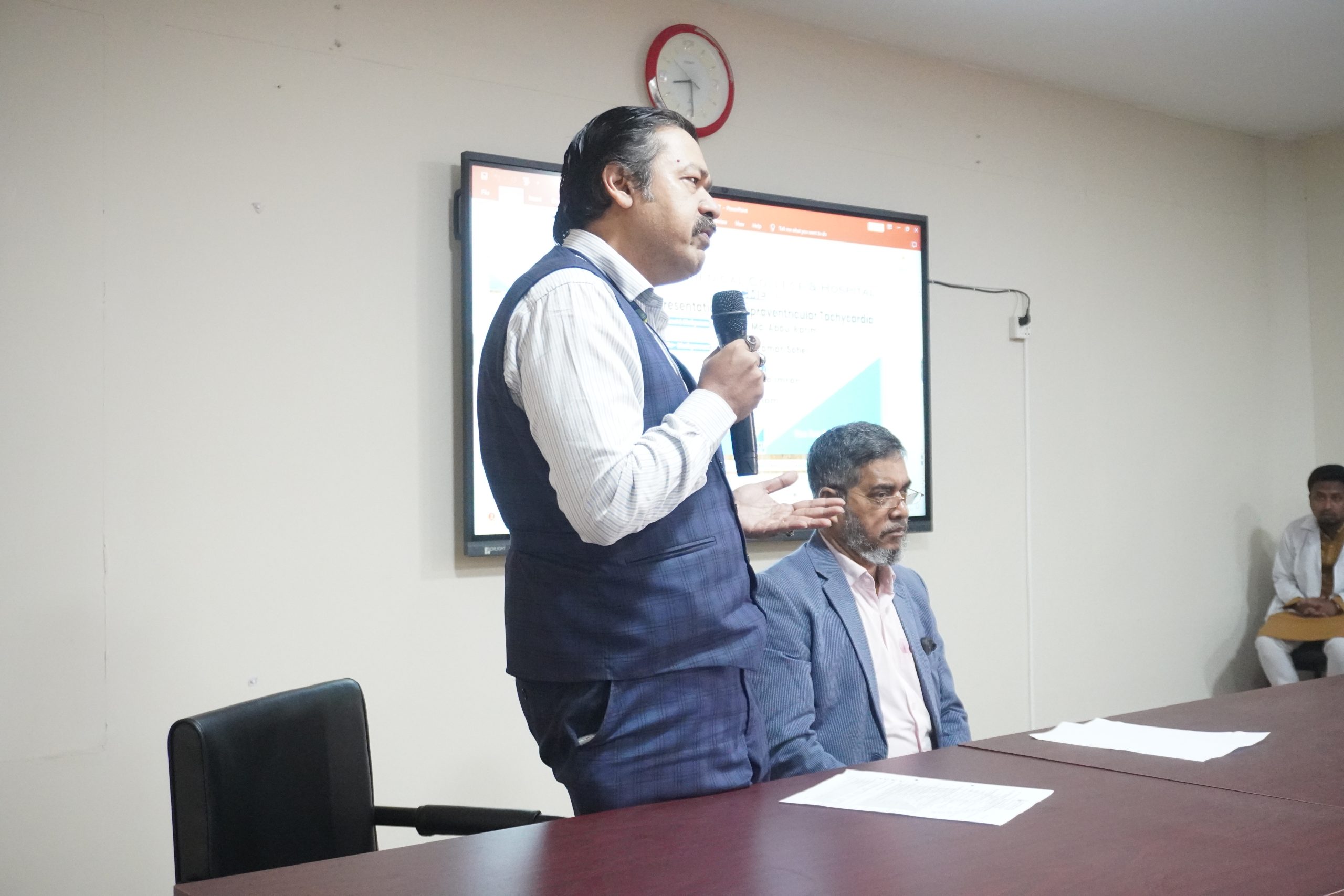
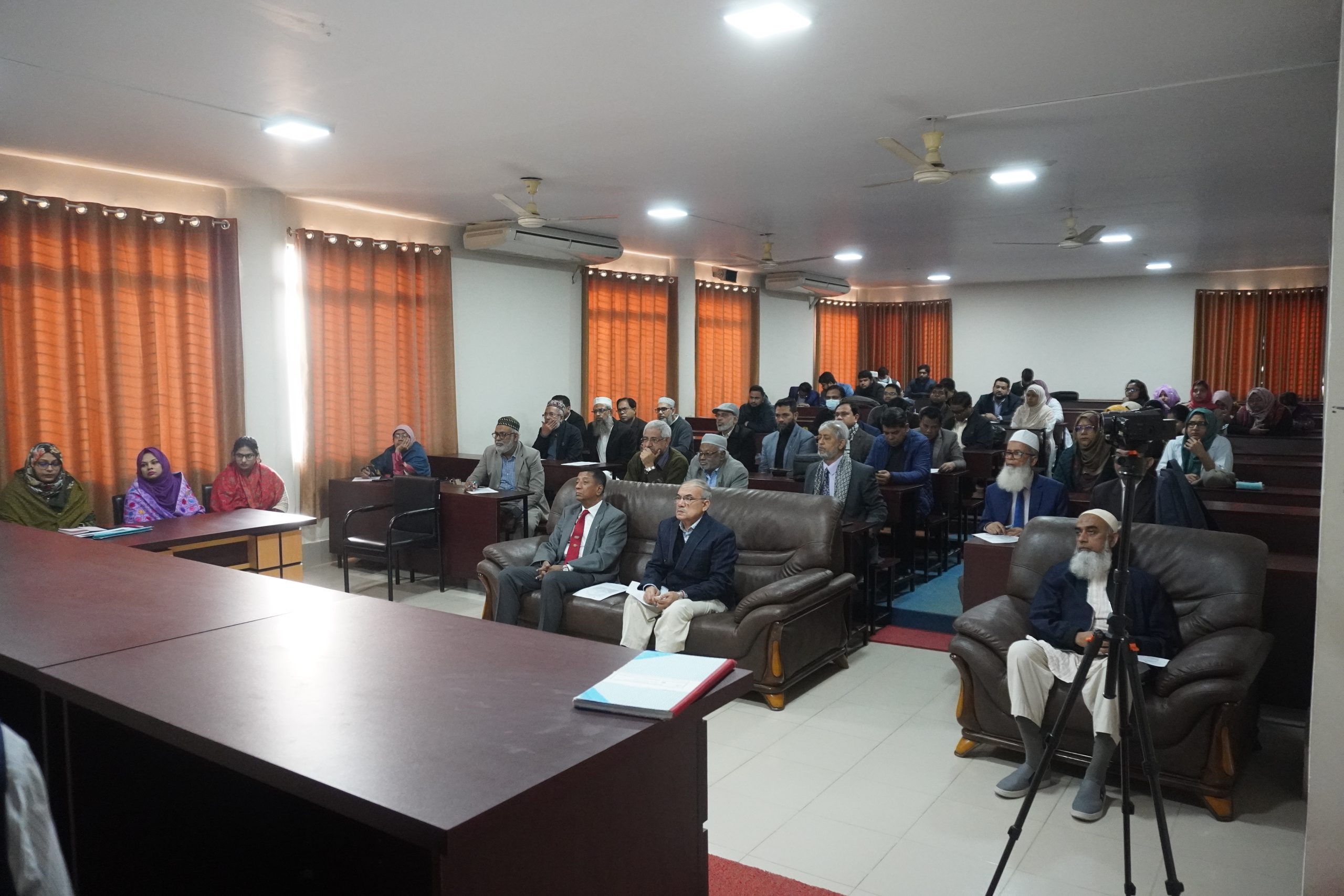
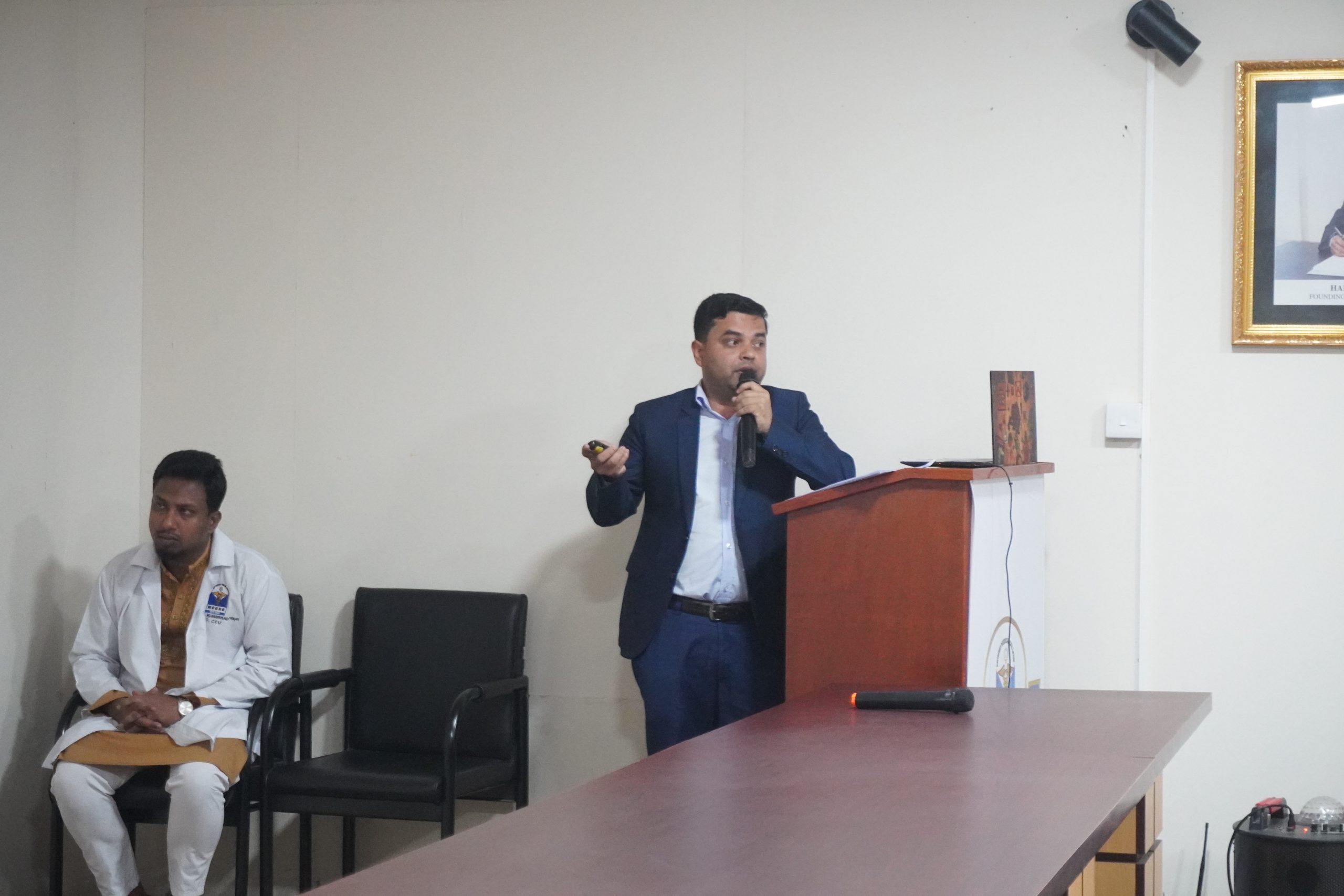
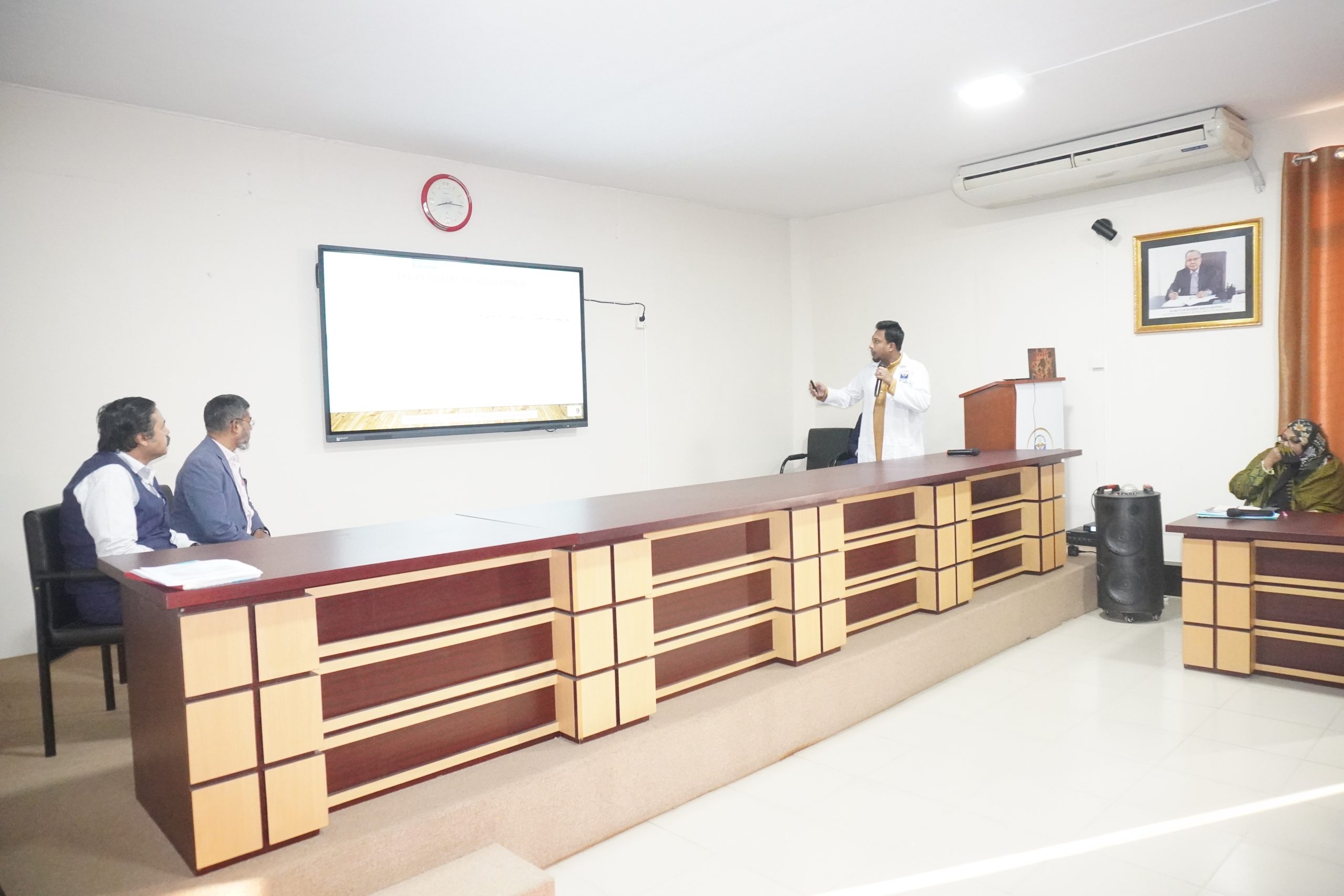
Presented by the Department of Cardiology, Monno Medical College & Hospital

Overview

This clinical case presentation highlights a real-life scenario of Supraventricular Tachycardia (SVT), managed successfully by the Department of Cardiology at Monno Medical College & Hospital. The session aims to educate healthcare professionals and medical students on the identification, diagnosis, and treatment of SVT, an increasingly common cardiac arrhythmia.

The Case

A 28-year-old female patient, Mrs. Mariya Akter, presented with acute onset of palpitations, chest tightness, and shortness of breath. Her heart rate was a dangerously elevated 240 bpm upon admission. Immediate ECG showed absent P waves and narrow QRS complexes, indicating a likely diagnosis of SVT. Initial vagal maneuvers failed, but pharmacological intervention with Verapamil successfully reverted the rhythm to sinus.

What is SVT?

Supraventricular Tachycardia (SVT) is a rapid heart rhythm originating above the ventricles. It is characterized by sudden onset and cessation, and often presents with a narrow QRS complex and a heart rate exceeding 100 bpm. SVT can be life-threatening if not promptly diagnosed and treated.

Epidemiology & Causes

SVT affects 2–3 per 1,000 individuals, with a higher prevalence in females and adults aged 25–50. Common triggers include stress, caffeine, alcohol, thyroid disorders, and congenital heart conditions. SVT mechanisms include AVNRT and AVRT, often related to abnormal reentrant electrical pathways.

Symptoms & Diagnosis

Patients typically experience:

  • Palpitations

  • Shortness of breath

  • Chest discomfort

  • Dizziness

Diagnosis involves ECG, echocardiogram, blood tests, and in complex cases, electrophysiological studies.

Management & Treatment

Acute Management Includes:

  • Vagal maneuvers (Carotid sinus massage, Valsalva)

  • IV Adenosine or Verapamil

  • Synchronized DC Cardioversion if unstable

Prophylactic Measures:

  • Oral medications like beta-blockers or Flecainide

  • Radiofrequency Ablation (RFA), especially in cases like Wolff-Parkinson-White (WPW) Syndrome

The case underscores the importance of timely and accurate intervention, showcasing clinical excellence in cardiac emergency care.

Join Us in Advancing Cardiac Care

Monno Medical College & Hospital is committed to clinical excellence, education, and research. Our CME sessions aim to keep healthcare professionals updated with the latest guidelines and real-world practices in cardiology.